
Latest Testimonials & Trials - Exceptional Grower Feedback!
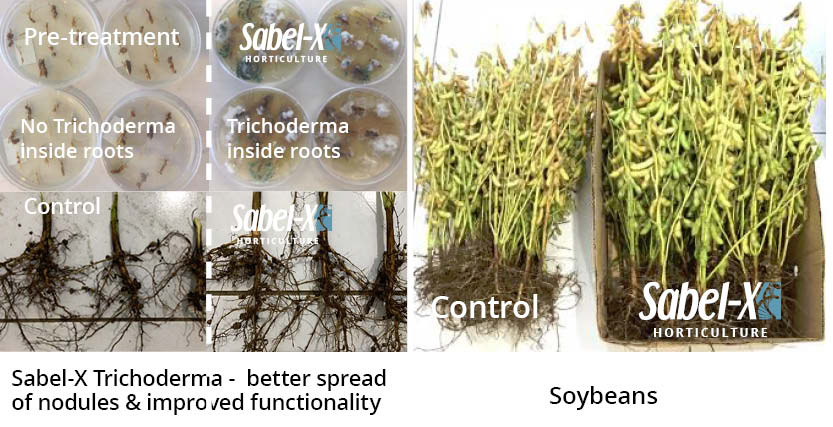
Soybeans
Return on Investment 28 to 1 with 26% yield increase
How: Sabel-X - switching on positive gene pathways inside the plant to unlock soil's biological potential
Region: QLD - 2020 - 12ha
- Seed treatment at 30g/ha
- Yield increase 26% with treated results @ 4,100kg/ha and control at 3250kg/ha.
- ROI 28:1 with Sabel-X costing $26/ha; Soybean return price of $850/ha.
Observational Characteristics of treated plants
Growth: Erect plants with stay-green characteristics that have tolerated and yielded at a high population.
Pod Yield: Plants have set pods at good height above ground with high seed number/pod.
Nodulation: Plants have set good distribution of nodules with excellent large sizing
Pre-Harvest assessment: No sign of seed abortion in Sabel-X, whereas in standard program, signs of top seed abortion in
pods, to maintain the filling of the bottom 2 seeds.
Further Details
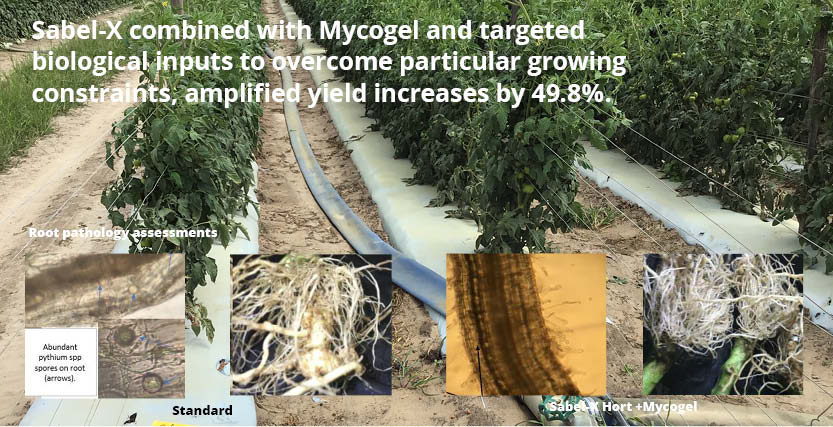
Tomatoes
Sabel-X driver of ROI: 109 to 1
How: Sabel-X - switching on positive gene pathways inside the plant to unlock soil's biological potential
Crop: Gourmet Tomatoes
Region: QLD - 2020
The Problem
Low returns on 1st planting caused by perennial adverse conditions - pythium, humidity, rain
The Solution
Synergistic biological program to overcome low returns on 1st planting
Results
- Exceptional return of income of 109 to 1 (extra $38, 640/ha)
- Sabel-X Hort - driver of increase. Worked synergistically to multiply results
Above average harvest results reduced financial pressure on following harvest. - Even spread of moisture so swampy ridden soils had healthy crops
- Fewer plantings required in future as crops produced fruit for longer
- Larger, heavier fruit resulted in higher yields and returns
Further Details
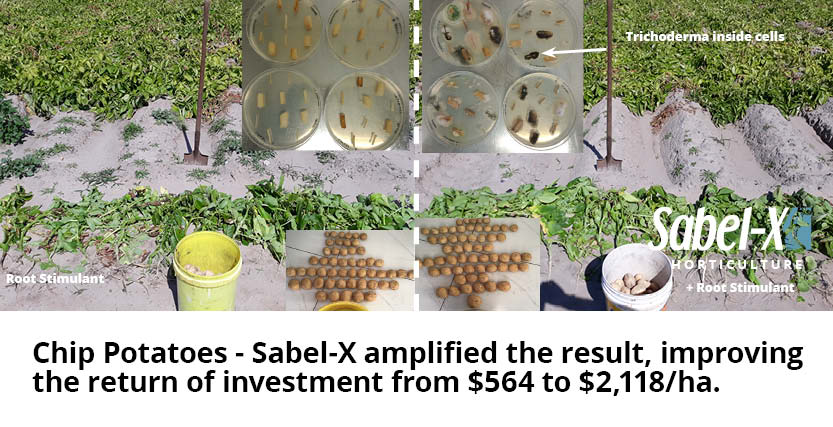
Potatoes
Sabel-X amplifies ROI 3.75 times
How: Sabel-X - switching on positive gene pathways inside the plant to unlock soil's biological potential
Regions: QLD - 2020
The Problem
Regional challenges include low average yields (38t/ha), a short growing season and late planting. The aim was to improve yield and profitability by selecting products that could help overcome these growing restraints.
The Solution
To get the benefits of yield increases with Sabel-X Hort more cost effectively by taking advantage of its amplifying effect with Vitazyme.
The positive control was Bacillus Subtilis at 5L/ha with all treatments having Humic/Fulvic acid pre-plant spray.
Results
Yield increases above control
- Vitazyme ST – 3.53% yield increase
- Vitazyme ST + Sabel-X - 13.24% yield increase
- Return on Investment above control based on $400/tonne base rate Chip
Potatoes without considering quality parameters - Vitazyme ST - $564.40/ha return on $95/ha input (5.94 : 1)
- Vitazyme ST + SabelX Hort - $2,118.00/ha return on $260/ha input (8.15 : 1)
Return on Investment above control based on $400/tonne base rate Chip Potatoes without considering quality parameters
- Vitazyme ST - $564.40/ha return on $95/ha input (5.94 : 1)
- Vitazyme ST + SabelX Hort - $2,118.00/ha return on $260/ha input (8.15 : 1)
Further Details
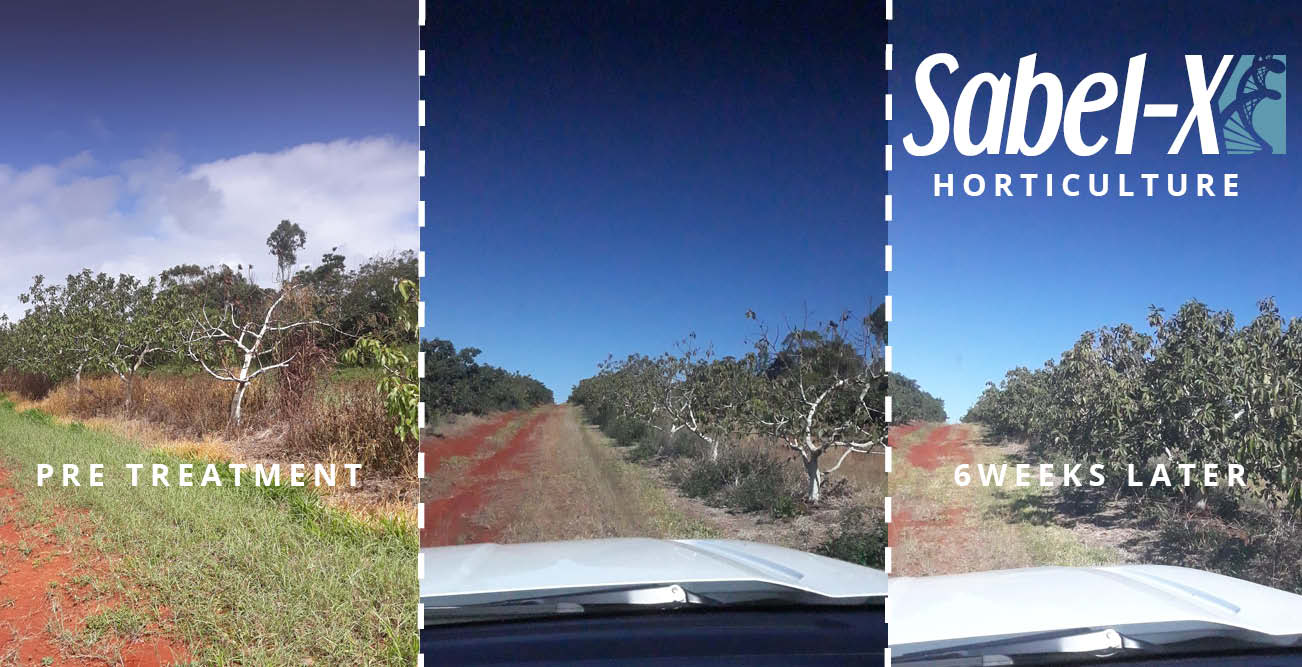
Avocados
Affected trees regrowth in 6 weeks
How: Sabel-X - switching on positive gene pathways inside the plant
Region: Childers, QLD - 2,000 Avocado Trees, 2019
- Phytophthora infection in Sheppard Avocados had started around 2yrs age, when there was a “big rainfall event”, March 2017. Trees had not done well since then.
- Standard industry programs were used for Phytophthora but trees could not sustain vegetative growth.
- After the 1st application of Sabel-X there was a regeneration of vegetative growth in the 87 affected trees, which has continued. In less than 6wks, the 87 affected trees all had regrown significant leaf and new branches, and have retained them.
- At time of printing, the trees are retaining fruit and are now at the fruit fill stage.
Interview with Nicola Donaldson, Donaldson & Co, Childers, Queensland
We've got just over 2,000 avocado trees.
I had a row of trees I called the 'hospital row'. The trees were very sick and I'd lost a few. 87 trees with varying degrees of Phytophthora damage (50 with severe damage) were treated with SABEL-X Hort. The treated trees improved out of sight. Within a week, they were greener and healthier looking and I haven't lost any of the trees. I was thrilled
Even the healthy trees improved after application of Sabel-X.
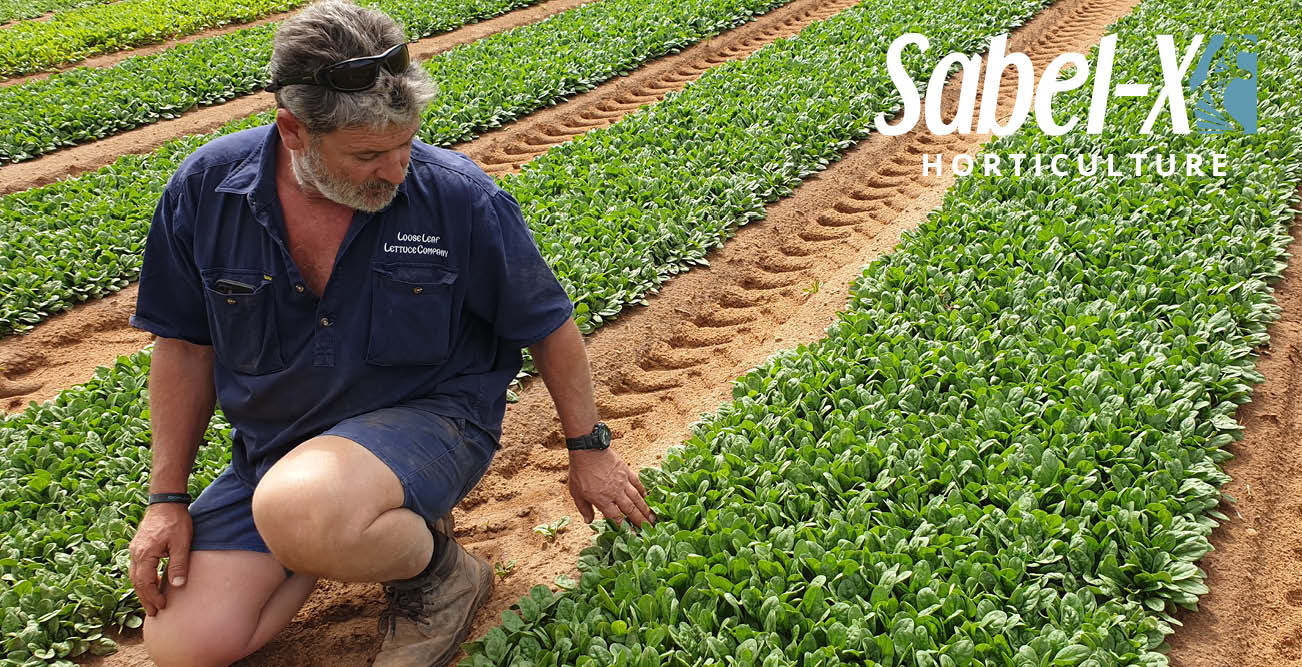
Spinach
Was losing 80% of crop, now 2%
How: Sabel-X - switching on positive gene pathways inside the plant
Crop: Spinach
Region: Gingin, Western Australia, 2019
The Problem
The spinach crop had a problem with pythium. It was causing major crop loss to the point it had to be contracted out.
Results
“Our new approach is working and we are now harvesting successfully a spinach crop. We had been losing 80% of our crop. Now we’ve got losses down to about 2%. Spinach is one of our major lines and we are harvesting about eight tonnes of it per week. In the summer we can turn a crop around in 23 days, then we start again. That intensity of production means we need to replenish the soil.
The new products have helped us a lot. They’ve proved economical and are working for us.”
Kevan Dobra, The Loose Leaf Lettuce Company, WA
Further Details

Strawberries
Early to market - best strawberries ever tasted
How: Bombardier Sugar, Rhino High Tech, Batallon, Mycogel
Regions: Bundaberg QLD, 2019
- 95% 1st grade fruit (untreated 60%)
- Treated fruit harvested 10 days earlier
- 30% yield improvement over untreated excluding 1st harvest where control had no harvest
- Customer comments: "These are the best berries I have ever tasted!"
Mycogel - fast acting giving roots greater access to nutrients and water
Rhino High Tech - improves shape of fruit = earlier harvest
Batallon - improves size of fruit = earlier harvest
Bombardier Sugar - improves brix of fruit = earlier harvest
Summary of Trials 2019
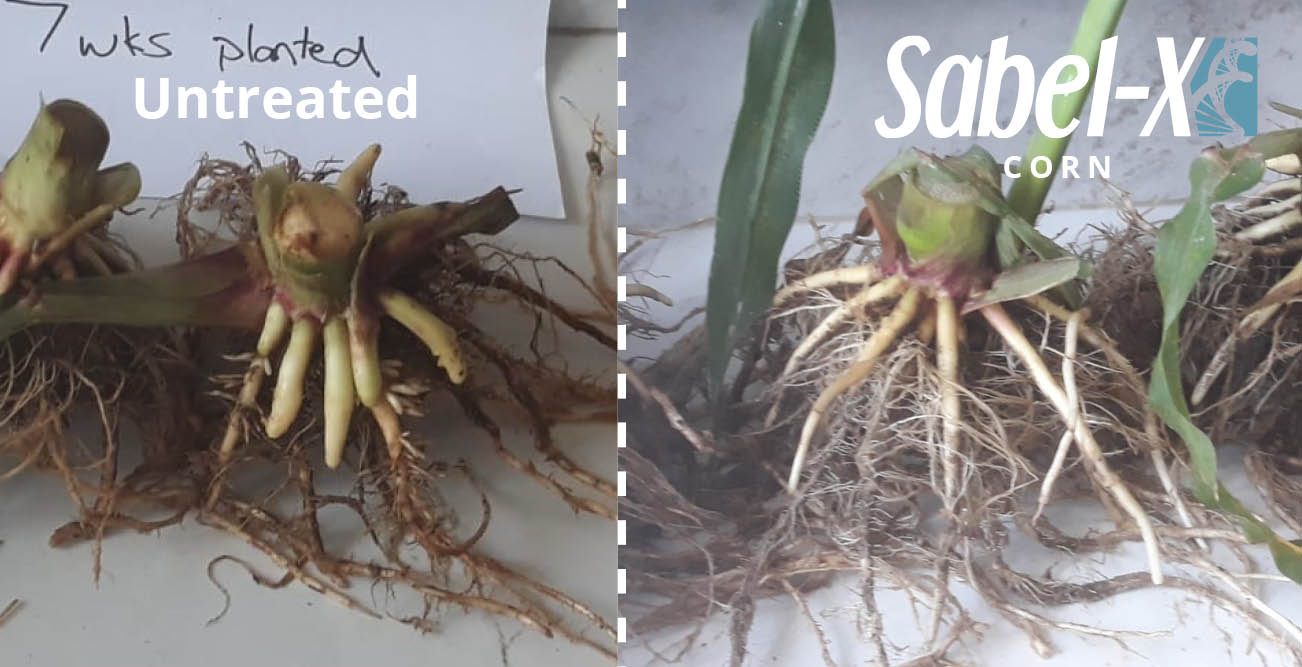
Corn
1.3T/ha extra yield (extra $650/ha)
How: Sabel-X - switching on positive gene pathways inside the plant
Region: Bundaberg QLD
- Extra 1.3T'ha
- 32 fold ROI - cost $20/ha, extra $650/ha
- 6 weeks post emergence, corn showed massive stem diameter and height at 1.6-1.8m
- Treated plants had larger root and secondary root development
- Supports international results showing 40-60% increase in root volume
Sabel-X Corn Summary
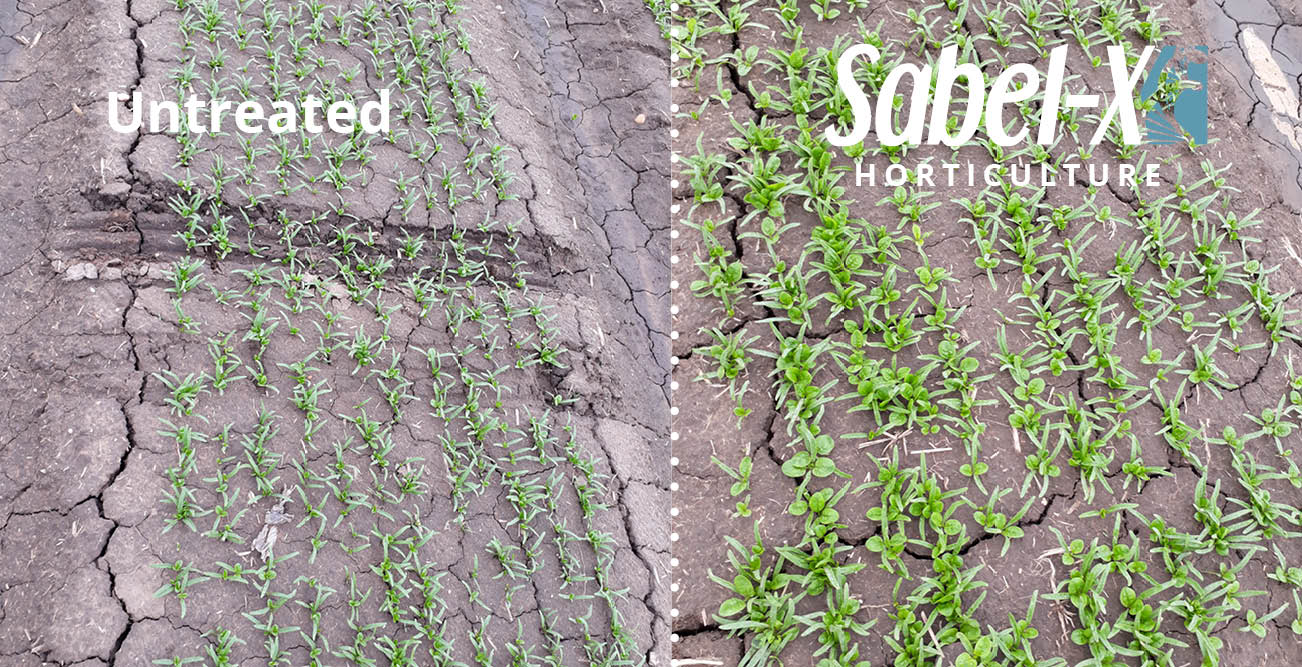
Spinach
Dramatic difference
How: Sabel-X - switching on positive gene pathways inside the plant
Crop: Spinach
Region: Victoria 2019
- Dramatic improvement in spinach after planting
- Earlier harvest with less bruising
Sabel-X Leafy Green Summary of Results
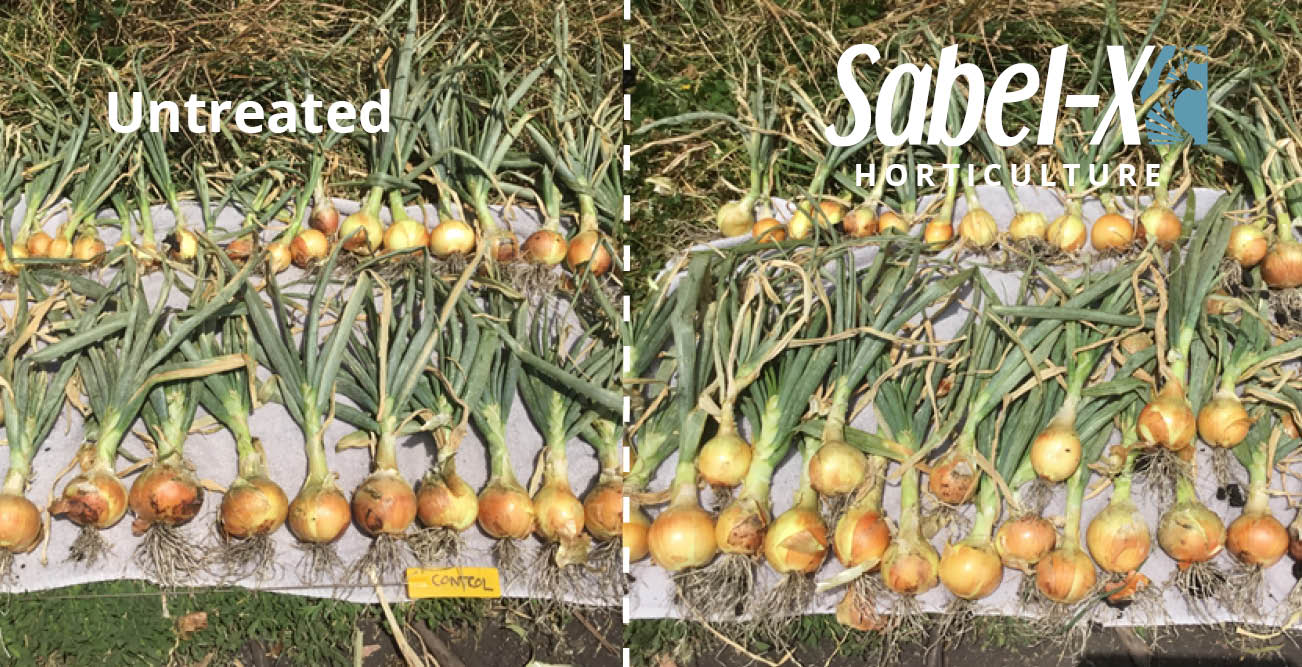
Onions
Yield increase results in $1,250/ha ROI on organic onions for $150/ha spent
Regions: Vic, large organic grower 2020
- Better early establishment
- Crop organic for 30 years growing in ideal soil health conditions
- Less plant losses in Sabel-X treated area
- Increased number of larger onions
Sustainable agriculture aims to improve overall farm yield as well as improved quality and consistency of produce.
Sustainable Farming Solutions conduct trials to demonstrate how targeted soil health inputs improve growth and yield and as well as boost resilience during stress events.
Sustainable Agriculture Trial Strategies
Trials help test soil health and crop stress strategies.
Sustainable agriculture aims to improve overall farm yield as well as improved quality and consistency of produce.
Sustainable Farming Solutions conduct trials to demonstrate how targeted soil health inputs improve growth and yield and as well as boost resilience during stress events.
Crop Based Trial Documentation
Broadacre Trials
The Vitazyme product boosts crop yield by assisting plant resilience to crop stress.
Here are the trial results for the effectiveness of Vitazyme in:
- Wheat
- Barley
- Canola
- Corn
- Cotton
- Rice
Fruit Trials
The Vitazyme product boosts crop yield by assisting plant resilience to crop stress.
Here are the trial results for the effectiveness of Vitazyme in:
- Apples
- Citrus
- Melons
- Grapes
- Nuts
- Oranges
- Strawberries
- Watermelons
Vegetable Trials
The Vitazyme product boosts crop yield by assisting plant resilience to crop stress. Here are the trial results for the effectiveness of Vitazyme in:
- Carrots
- Lettuce
- Onions
- Potato
- Tomatoes
- Broccoli
Product Based Trial Documentation
Vitazyme Trials
Consistent yield and profit improvements with Vitazyme.
Vitazyme Crop Trial Results
Vital Earth Trials
Vital Earth is an active carbon product made in Australia from local peat. It has achieved outstanding results across Australia when used during pre-plant, planting or side-dress.
Analysis
Active Carbon – 40% humic and fulvic acids (with potassium)
37.9% silicates
Research and Effectiveness
The effectiveness of carbon is supported by decades of international research.
Active carbon is essential for biological life.
Active carbon is the fraction of soil organic matter that provides microbes with energy and a food source for nutrient cycling (labile carbon).
Active carbon improves nutrient and water retention, nutrient availability and microbial activity.
Active carbon is a cost-effective way to get organic effective way to gain the benefits of soil carbon
Vital Earth pellets adds an active carbon source
Nutrient availability – HFA pushes Al off phosphate, releasing to plant
Improves soil structure
Retains moisture
Helps with drought stress - stimulates anti-oxidant compounds
Improves nutrient uptake (+20%) - permeability of cell walls, root growth
Stimulates root growth
Buffers salinity
Research Trial Summary Presentations
Microbial Activity
Feeding soil microbes ensure there is enough biological activity to get plant and soil health benefits. Increased soil microbe numbers improve nutrient availability by reducing root disease and improving water penetration and retention.
Microbial Diversity
Multiple research articles have demonstrated microbial diversity helps create healthy plants and disease suppressive soils.
Active Carbon
Active Carbon in the soil provides a charged surface to hold onto nutrients. Microbes use active carbon to improve soil structure, retain moisture & reduce disease.
Energise Plants
Biostimulants energise plants by stimulating root growth and improving photosynthesis.